🎉 Waltz reaches $50M💰 in funding to support LATAM growth 🎉 Read the full story here

Buying a U.S. property is exciting, but the home inspection? Not so much. It’s not pretty, but this step can determine the deal's success, especially when financing depends on the property being “rent-ready.”
A home inspection reveals the true condition of the property, from foundation cracks to outdated wiring. It’s an essential step for any buyer, especially investors purchasing remotely. The inspection helps you understand repair costs and avoid unexpected delays.
Keep reading to discover the top nine issues commonly found during home inspections. We’ll also explain how they impact mortgage approval and cash flow, and share strategies to resolve problems quickly so your investment remains on track.
A home inspection is a detailed evaluation of a property’s condition performed by a state-licensed inspector. It typically occurs after the purchase offer is accepted but before closing. For investors, the home inspection is a crucial tool for evaluating a property’s readiness for tenants. It’s also essential for securing financing approval. Here’s what a typical inspection includes:
For investors using debt-service-coverage-ratio (DSCR) loans, lenders require the property to be “rent-ready.” That means it’s functional and complies with local codes. If an inspection reveals major issues, the owner may need to make repairs before financing is approved.
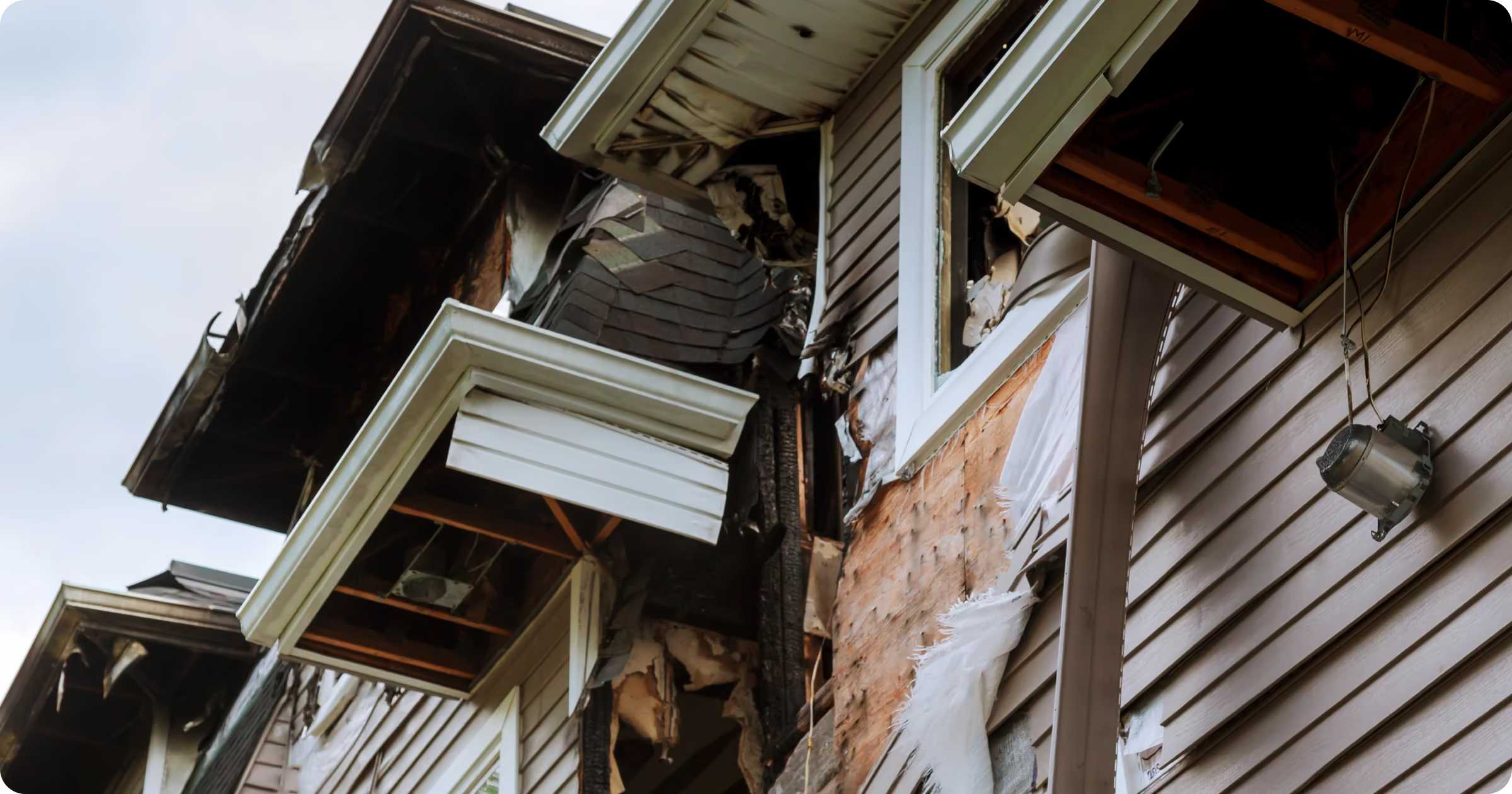
Cracks in the foundation, sloping floors, or sticking doors and windows often signal shifting soil or moisture problems beneath the home. While some cracks may be cosmetic, structural issues can be serious issues for investors because they affect the property’s safety, and lenders usually won’t approve DSCR loans on properties with unresolved structural problems.
A bad roof is one of the most common (and most expensive) inspection issues. Missing or cracked shingles, sagging areas, leaks, and water stains all point to roof problems. If the damage is minor, the owner might not need to fully replace the roof before the sale. However, in that case, it’s wise to plan for replacement within the next few years.
Plumbing systems can reveal issues ranging from minor leaks to pipe replacements. Older buildings may have corroded galvanized or cast-iron pipes, which restrict water flow. Qualified inspectors will check water pressure, fixtures, and drainage to identify problems that could lead to hidden water damage over time.
Electrical safety is crucial during inspections. Older homes often have outdated wiring, overloaded panels, and missing GFCI outlets. Aluminum wiring is especially risky and usually needs replacing to comply with insurance and lender requirements. Since electrical upgrades can be costly, these problems may affect financing approval or lower the property’s appraised value.
Home inspectors evaluate heating and cooling systems to ensure they operate efficiently and safely. Common HVAC issues include aging units, leaky ductwork, and systems that are too large or small for the property. While these problems may not always delay a sale, they can impact comfort and operating costs of a rental. HVAC systems generally last about 10-15 years, so if the unit is nearing that age, investors should consider replacement when creating a long-term budget.
Ceiling stains, peeling paint, or warped floors often signal water damage. This could stem from drainage problems, roof leaks, or plumbing issues. Water damage can reduce a home’s appraised value and lead to serious problems like mold or rot if left unaddressed. Fixing drainage and ventilation problems early helps protect the structure and keeps the home rent-ready.
Termite infestations can silently damage a property’s structure over time. Inspectors look for mud tubes, soft or hollow wood, and other signs of active or past pest activity. Even if the issue appears contained, lenders may require proof of professional treatment before closing. For international investors, it’s wise to order regular pest inspections in high-risk regions like the Southeast or Southwest.
Missing smoke detectors, loose railings, tripping hazards, and faulty locks may seem minor, but they can affect both lender approval and tenant safety. These issues are usually affordable to fix but are crucial for compliance with local housing codes. For remote investors, confirming these repairs before closing helps ensure the property is legally rent-ready and reduces liability after tenants move in.
A property’s exterior condition often shows how well it has been maintained over time. Poor grading, clogged gutters, or standing water near the foundation can cause long-term structural damage and unsightly mold. Inspectors will also check for cracks in driveways, damaged siding, and compromised landscaping that could direct water toward, rather than away from, the home.
Not every issue found during inspection is a deal-breaker. Investors should learn to distinguish between cosmetic flaws and critical risks.
Pro tip: If the issue impacts safety, structure, or systems, it’s critical to address before closing or renegotiate.
For investors using DSCR loans, lenders require properties to meet minimum standards of livability. Major inspection issues can affect:
Delays are common when major repairs like roof replacements or foundation stabilization are not completed yet. These repairs must be finished and verified before releasing funds. Proactive communication with your lender – especially one experienced with international buyers like Waltz – can help you anticipate and address these challenges early.
If your inspection reveals issues, you have several options to keep the deal alive:
1. Negotiate with the seller. Request repair credits or ask the seller to complete critical fixes before closing.
2. Use escrow holdbacks. In some cases, lenders allow funds to be held in escrow and released once post-closing repairs are verified.
3. Prioritize the issues that matter most. Address structural, roof, or electrical issues first to meet rent-readiness standards.
4. Hire local contractors quickly. Having a trusted property manager or contractor can prevent delays when repairs are needed fast.
5. Document everything. Keep records of completed repairs and receipts. Lenders, insurers, and appraisers may all require proof.
For international investors, these steps are best handled through a local representative or property manager who can oversee progress on your behalf.
Buying property remotely comes with unique challenges, but proper planning can make inspections and repairs much easier to manage.
A thorough home inspection can save you thousands of dollars and help avoid weeks of closing delays. For international investors, it serves as your initial safeguard against unforeseen expenses and is essential for keeping your property rent-ready for financing.
Take the next step with Waltz to finance your U.S. rental property confidently.

Fill out a quick form and we'll get back to you shortly.


